Do you really need event photography?
Have you ever found yourself wondering that?
Smartphone cameras keep getting better every year.
For simple snapshots, anyone can take decent photos now.
So it’s only natural to think,
“Do I really need to hire a professional photographer?”
Lately, what I’ve noticed is this:
depending on the purpose, event photos can shift from being simple records to becoming materials that are reused later and support future activities.
1. It’s easier to leave photography to someone else
Hiring a photographer isn’t just about reducing your team’s workload.
By following the flow of the event and picking up the moments that are likely to be useful later for communication or publicity, the photographer can work independently—allowing organizers to focus on running the event itself.
That’s why I ask you to pass me a small baton called shared information beforehand.
When I understand the purpose of the event and its schedule in advance, it becomes easier to move in sync with what’s happening on the day.
As a result, photos that are easier to use afterward tend to remain.
Corporate and organizational events
When staff are busy managing an event, trying to take photos at the same time often leads to gaps in coverage or repetitive shots.
Leaving photography to an outside professional helps ensure consistent documentation, while capturing the event from an objective, third-party perspective.
Individually organized events (recitals or small gatherings)
When friends or family are asked to take photos, they often miss out on being part of the experience themselves.
Hiring a professional allows everyone to enjoy the event with peace of mind—both organizers and guests.
2. What’s different when you hire a professional?
Anyone can take photos that are “technically fine.”
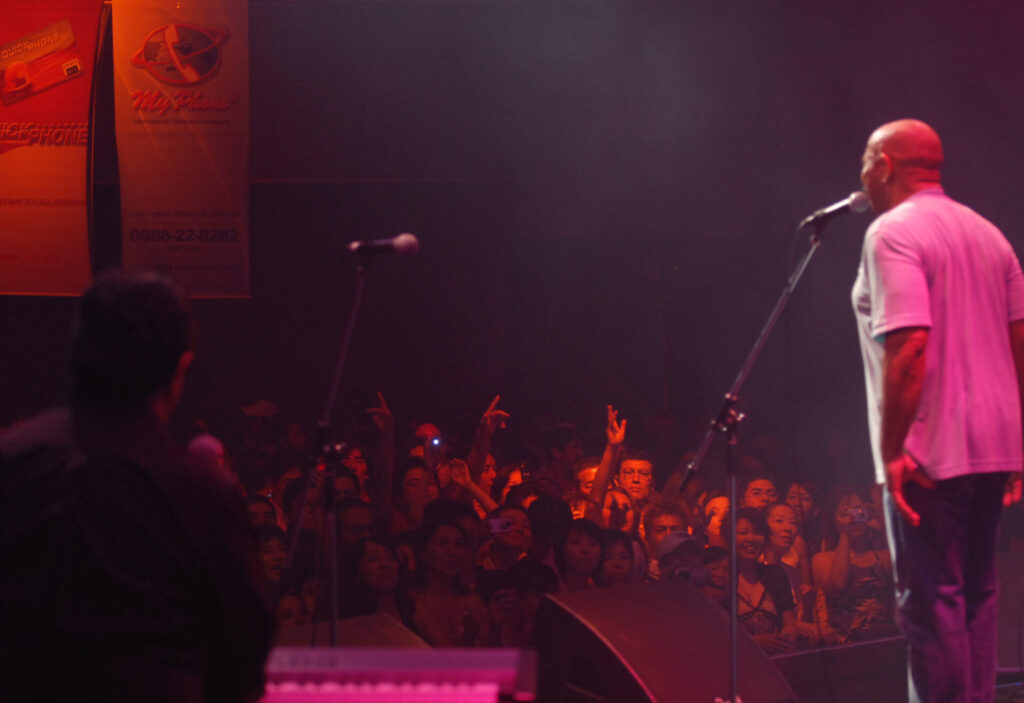
But conveying the atmosphere of a dark venue or moments with fast movement relies heavily on experience.
I’ve spent many years photographing low-light environments, dynamic scenes, and situations where retakes aren’t possible.
According to research by the Massachusetts Institute of Technology (MIT), people absorb a large amount of information from images before they read any text.
Source: MIT News (2014), “In the Blink of an Eye”
The study identifies 13 milliseconds as the minimum time required for the brain to recognize and interpret visual information.
When someone views your event report, they often judge its value the moment they see the first image—long before they begin reading.
For individuals
Photos often capture moments you could never see yourself—expressions during a performance or while dancing or playing music.
For organizations
When photos need to be ready for use in publicity or media, there are situations where hiring a professional from the start provides peace of mind—such as for social media, press releases, or sponsor reports.
3. Photos can continue to be used in future activities
Event photos don’t end their role on the day they’re taken.
Individually organized events
They can live on as personal albums, social media posts, or blog content—helping your story resonate with others.
Corporate and organizational events
They can be reused for future promotional materials, sponsor reports, or portfolio pages on your website—often eliminating the need for separate photo shoots.
4. The process and preparing for peace of mind
The workflow is simple:
Meeting → Event photography → Delivery of data
To ensure a smooth experience on the day, we align on a few points in advance:
- Any restricted areas or photography limitations
- Key moments you absolutely want documented
- Photographer access and movement (e.g., backstage or side-stage access)
Sharing just a bit of information beforehand helps prevent missed moments and brings peace of mind.
In closing: From records to memories—and outcomes
There is no single “correct” way to approach event photography.
In some situations, a smartphone is more than enough.
In others, hiring a professional proves worthwhile.
For important milestones—such as award ceremonies or commemorative lectures—the value of photographs often becomes clearer over time.
Years later, when you revisit documents or look back through your online records, you may find yourself thinking,
“I’m glad we have these photos.”
I’ve often worked in environments where photos weren’t fully appreciated at the moment, but later proved essential.
If you feel that your event deserves to be preserved not just as a record, but as memory and results, feel free to reach out.
For smoother estimates and proposals
What I value most is preparation.
To help me create photographs that support the value of your event, it’s helpful if you can share the following when you get in touch—only as much as you’re comfortable with.
- Event name and purpose
(e.g., internal award ceremony, product launch, municipal promotion; any preferred atmosphere is also helpful) - Date and location
(Knowing the venue in advance allows me to anticipate lighting conditions and plan equipment) - Intended use of the photos
(e.g., social media updates, promotional flyers, detailed reports, or press releases) - Subjects you’d like prioritized
(e.g., speaker expressions, audience energy, sponsor logos, exhibits) - Event schedule (a draft is fine)
(Knowing when key moments occur helps me position myself in advance)
If details are not yet decided, “TBD” is perfectly fine.
I’m also happy to consult from the stage of “how should this be photographed?”